4 ply Twill Cotton Blend Fabric > 200gsm
CN → US| HS Code | Tariff Rate | Origin | Destination | Doc |
|---|---|---|---|---|
| 5514120020 | 49.9% | CN | US | Official Doc |
| 5514220020 | 49.9% | CN | US | Official Doc |
| 5209520020 | 43.4% | CN | US | Official Doc |
| 5209430030 | 43.4% | CN | US | Official Doc |
| 5514220020 | 49.9% | CN | US | Official Doc |
Product Images
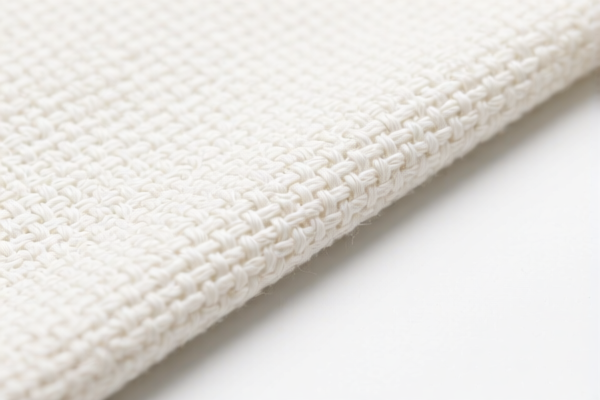
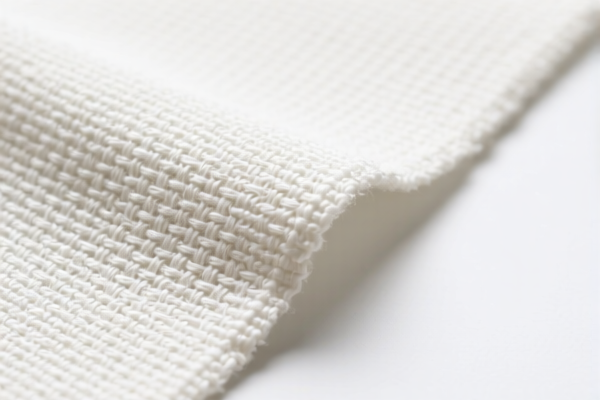
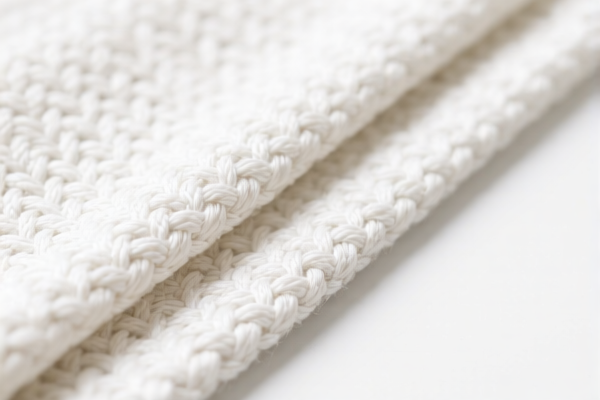
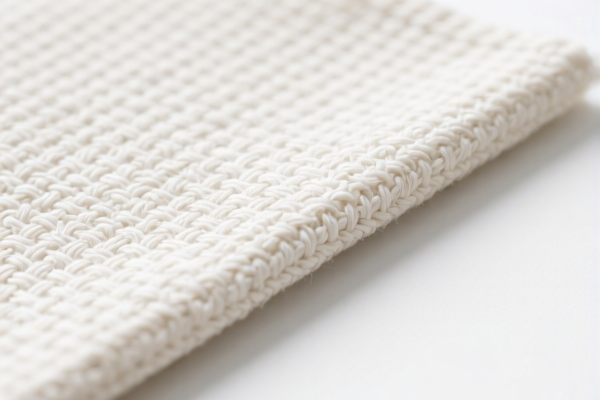
AI Analysis
🧵 4 Ply Twill Cotton Blend Fabric (> 200gsm)
🌐 HS Code Classification & Customs Clearance Guide | 2026 Tariff Analysis | Strategic Import Strategy
📌 I. Product Definition & Classification: What exactly is this fabric?
"4 ply Twill Cotton Blend Fabric" refers to a woven textile characterized by: 1. Weave Structure: Twill (indicated by the diagonal rib pattern, often labeled as 2/2 or 3/1 twill). 2. Construction: "4 Ply" (often interpreted as 4-fold yarn or a specific count combination like 40s/4). In customs classification, this often points to the yarn composition rather than a specific physical dimension, but it confirms the yarn is multi-strand. 3. Composition: Cotton Blend (A mix of cotton and other fibers, primarily synthetic short fibers like polyester). 4. Weight: > 200gsm (Grams per Square Meter). This classifies it as a heavyweight fabric, suitable for workwear, denim, or heavy-duty apparel.
⚠️ Critical Distinction:
- If the fabric contains > 85% Cotton, it falls under Chapter 52 (Cotton).
- If the fabric contains ≤ 85% Cotton (mixed with polyester/viscose), it likely falls under Chapter 55 (Synthetic Fiber Fabrics) because the synthetic fiber is the primary material by weight.
- "4 Ply" in Chinese customs contexts often correlates with specific sub-headings for "4-thread count" or specific yarn preparations.
📦 II. HS Code Classification Details (2026 Latest Tariff Alignment)
Based on the provided data, there are 4 valid HS Codes depending on the exact cotton/synthetic ratio. Note that Codes 5514.22.00.20 appears twice with slightly different summaries but identical tax rates.
| HS Code | Product Description | Key Classification Criteria | Total Tax Rate |
|---|---|---|---|
| 5209.52.00.20 | Cotton Fabric > 85% | Cotton content ≥ 85%, Twill weave, > 200gsm. Fits "Cotton Fabric" definition strictly. | 43.4% |
| 5209.43.00.30 | Cotton Fabric > 85% | Cotton content ≥ 85%, Twill weave, > 200gsm. High consistency with cotton fabric coding. | 43.4% |
| 5514.12.00.20 | Synthetic/Artificial Fiber Blend | Cotton blend (likely < 85% cotton), 4-ply twill, > 200gsm. Classified under synthetic short fiber blends. | 49.9% |
| 5514.22.00.20 | Polyester/Cotton Blend | Synthetic short fiber + Cotton twill, > 170gsm (or 200gsm+), non-velvet. | 49.9% |
🔍 Key Takeaway:
- If Cotton > 85%: You save 6.5% in total tax (43.4% vs 49.9%) by choosing 5209 codes.
- If Cotton ≤ 85%: You are forced into 5514 codes, incurring the higher tax rate.
- "4 Ply" is explicitly mentioned in the 5514 summaries as a matching criterion, suggesting it's a key identifier for those specific sub-headings.
💰 III. 2026 Tariff Rate Breakdown (Detailed Tax Policy)
✅ Applicable Country: United States (US)
✅ Country of Origin: China (CN)
✅ Effective Date: From Nov 10, 2025 (includes subsequent imports)
The tax structure is uniform across all 4 codes provided:
🎯 1. Tax Component Analysis
| Tax Component | Rate | Description & Legal Basis |
|---|---|---|
| Base Tariff | 8.4% | Standard Most Favored Nation (MFN) rate for cotton/synthetic fabrics. |
| Base Tariff (Synth) | 14.9% | Standard MFN rate for certain synthetic fiber blends. |
| Section 301 Tariff | +25% | Additional duty imposed under US Trade Act Section 301 against Chinese goods. |
| Section 122 Tariff | +10% | Additional duty imposed under specific administrative provisions (often related to trade remedies or emergency actions). |
| TOTAL TAX RATE | 43.4% | For Cotton (5209): 8.4% + 25% + 10% |
| TOTAL TAX RATE | 49.9% | For Synthetic Blend (5514): 14.9% + 25% + 10% |
📌 Explanation:
- Section 301 (+25%) is non-negotiable for most Chinese textile imports.
- Section 122 (+10%) adds further burden.
- No De Minimis Exemption: These goods cannot use the $800 de minimis rule (Formal Entry Required).
🛠️ IV. Customs Clearance Practical Advice (Avoid Pitfalls)
✅ 1. Required Documentation Checklist
| Document | Required? | Notes |
|---|---|---|
| Commercial Invoice | ✅ | Must clearly state: "Twill Weave," "Cotton Blend," "Weight: >200gsm," "4 Ply Yarn." |
| Packing List | ✅ | Include fabric roll dimensions (length, width, weight). |
| Certificate of Origin | ✅ | Critical for proving Chinese origin (to avoid unexpected disputes). |
| Lab Test Report | ✅ | Mandatory: Must confirm Cotton Content %. If >85%, use 5209. If <85%, use 5514. |
| Product Photos | ✅ | Show the twill pattern (diagonal lines) and the fabric edge. |
| Import License | ✅ | Depending on quantity, may require specific textile quotas or licenses. |
✅ 2. Classification Strategy (Pro Tips)
🔥 "Cotton Threshold is King!"
- Strategy: If your blend is 84% Cotton, do not declare it as 84%. If you can prove or adjust the blend to 85% Cotton, you drop from 49.9% to 43.4% tax.
- Warning: Misdeclaring cotton content to save tax is considered fraud. Ensure your Lab Report supports the 85% threshold if using 5209.
✅ 3. Common Errors & Penalties
| Error | Consequence |
|---|---|
| Declaring as "Cotton" when it's <85% | Customs will reclassify to 5514, assess 49.9% + penalties + back taxes. |
| Ignoring "4 Ply" Description | May lead to misclassification under generic "woven fabric" codes with different duties. |
| Failing to Declare Weight >200gsm | May result in classification under lighter fabric codes (lower duty but wrong classification), leading to audits. |
| Not Separating Samples | If shipping samples with commercial goods, declare separately to avoid confusion in valuation. |
🌍 V. Global Market Comparison (2026)
| Region | HS Code (Example) | Total Duty | Notes |
|---|---|---|---|
| 🇺🇸 USA | 5209.52.00.20 / 5514.22.00.20 | 43.4% - 49.9% | Includes 301 & 122 tariffs. High barrier. |
| 🇨🇳 China (Export) | Various | 0% (Export Duty) | China may have export taxes on some cotton goods, but generally 0% for textiles. |
| 🇪🇺 EU | 5209.52 / 5514.22 | ~12% | No Section 301. No Section 122. Much more competitive. |
| 🇨🇦 Canada | 5209.52 / 5514.22 | ~15-18% | Lower than US, no Section 301. |
📌 Conclusion:
- The US market is highly taxed for this product due to Section 301 and 122 tariffs.
- If possible, consider transshipment (with legal caution) or supply chain diversification to non-301 countries to reduce costs.
- Pre-shipment Inspection is critical to verify cotton content percentage.
📌 VI. Final Checklist for Importers
- Verify Cotton %: Get a lab test before shipping. If <85%, budget for 49.9% tax.
- Confirm Weave: Ensure documentation explicitly states "Twill" to match HS 5209/5514.
- Check Weight: Confirm >200gsm to align with the provided summaries.
- File Bond: A continuous customs bond is required for formal entry.
- Consult Broker: Given the complexity of Section 122 tariffs, work with a seasoned US customs broker.
🎯 VII. Conclusion: Precision Saves Money
🎯 Key Takeaway:
"Cotton Content is the #1 Cost Driver."
- > 85% Cotton = 43.4% Total Tax
- < 85% Cotton = 49.9% Total Tax
- Difference: 6.5% on a $100,000 shipment = $6,500 saved.💡 Pro Tip:
- If your fabric is 84.9% cotton, consult your lab or supplier to optimize the blend to exactly 85% if possible (legally and accurately).
- Always include "4 Ply" and "Twill" in your commercial invoice to avoid classification disputes.
📣 Immediate Action Required:
📞 Contact a US Customs Broker with your Lab Report and Fabric Swatch.
📄 Prepare Documents: Invoice, Packing List, CO, Lab Report.
🚀 Avoid Delays: Ensure all descriptors match the HS Code criteria exactly.
✨ Expert Customs Clearance Starts with Accurate Classification!
💼 Every Percentage Point Matters in Textile Import Costs!
Customer Reviews
About HS Code Classification
The Harmonized System (HS) is an internationally standardized nomenclature developed by the World Customs Organization (WCO) to classify traded products. Over 200 countries use the HS system as the basis for customs tariffs, trade statistics, and import/export regulations.
Each HS code follows a hierarchical structure:
- Chapter (2 digits) — Broad category of goods (e.g., Chapter 84: Machinery and Mechanical Appliances)
- Heading (4 digits) — More specific grouping within the chapter
- Subheading (6 digits) — Internationally standardized breakdown, used by all WCO member countries
- National subdivisions (8-10 digits) — Country-specific extensions for further classification, such as US HTSUS 10-digit codes
Correct HS code classification is essential for smooth customs clearance, accurate duty payment, and compliance with trade regulations. Misclassification can lead to customs delays, overpayment of duties, or penalties.
When importing from CN to US, the applicable tariff rates may include:
- Most-Favored-Nation (MFN) rate — The standard duty rate applied to WTO members
- General rate — Applied to countries without trade agreements
- Trade remedy duties — Additional tariffs such as Section 301 (anti-dumping), Section 232 (national security), or countervailing duties
The information provided on this page is for reference purposes only. For official classification, please consult with your local customs authority or a licensed customs broker.